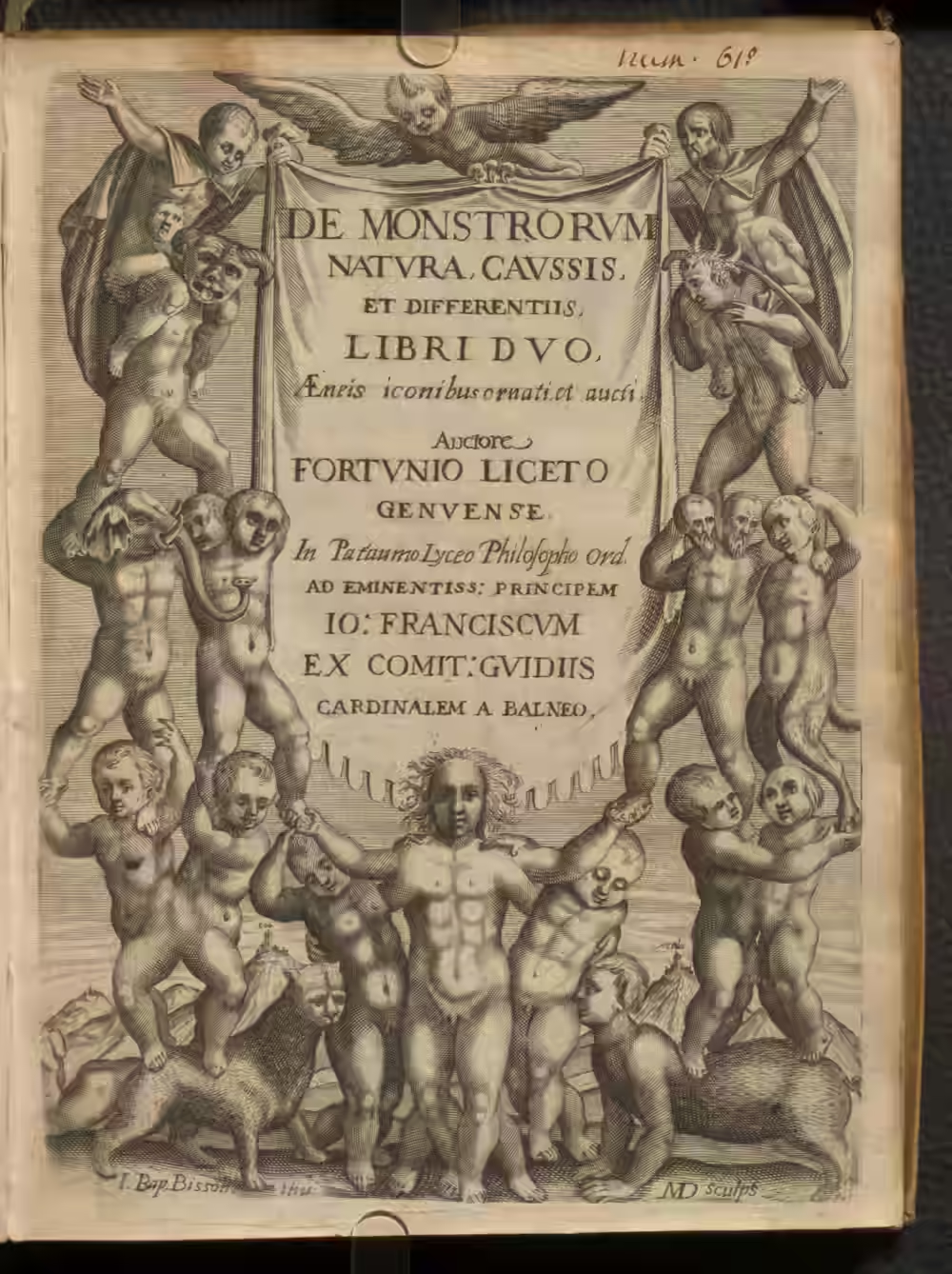
De Monstrorum Caussis, Natura, et Differentiis
Libri Duo
Fortunio Liceti's book of monsters — two-headed infants, conjoined twins, dog-faced children, horned satyrs and sea-bishops — examined with Aristotelian rigor and shown in astonishing engravings. The founding text of teratology, now in English for the first time, with every original page beside it.
“Whatever rare occurrences depart by a wide margin from the common order and natural law of their kind, inspiring the deepest wonder in human minds, have by the general consensus of learned authors customarily been called monsters.”— Book I, Chapter I
Liceti collected every prodigy he could find — from chronicles, from physicians' letters, from the dissecting table — and had them engraved. A few of the inhabitants:

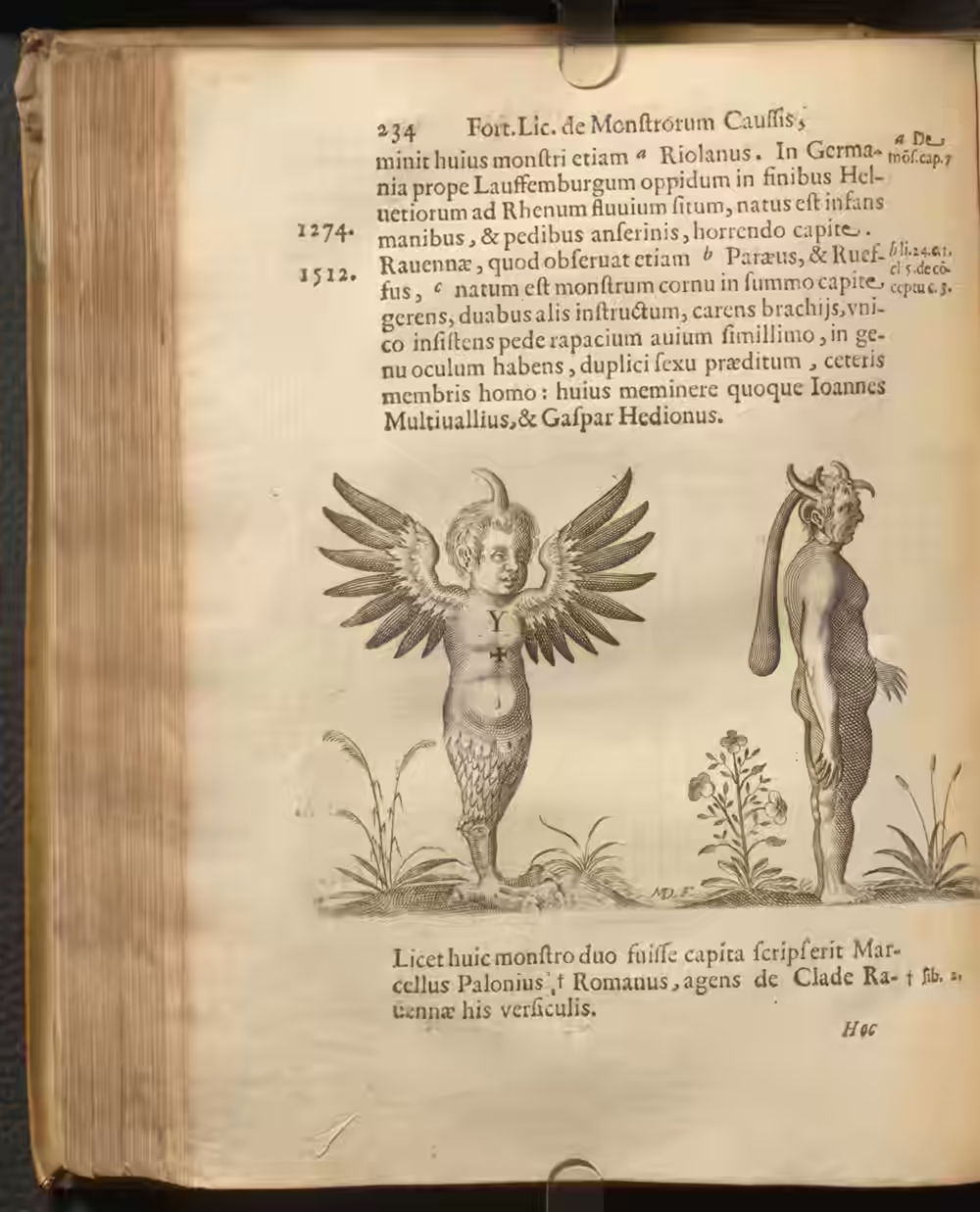
Horned brow, wings, a single bird-like leg, and the letter Y upon its chest — the most famous prodigy of the age.
Read its page
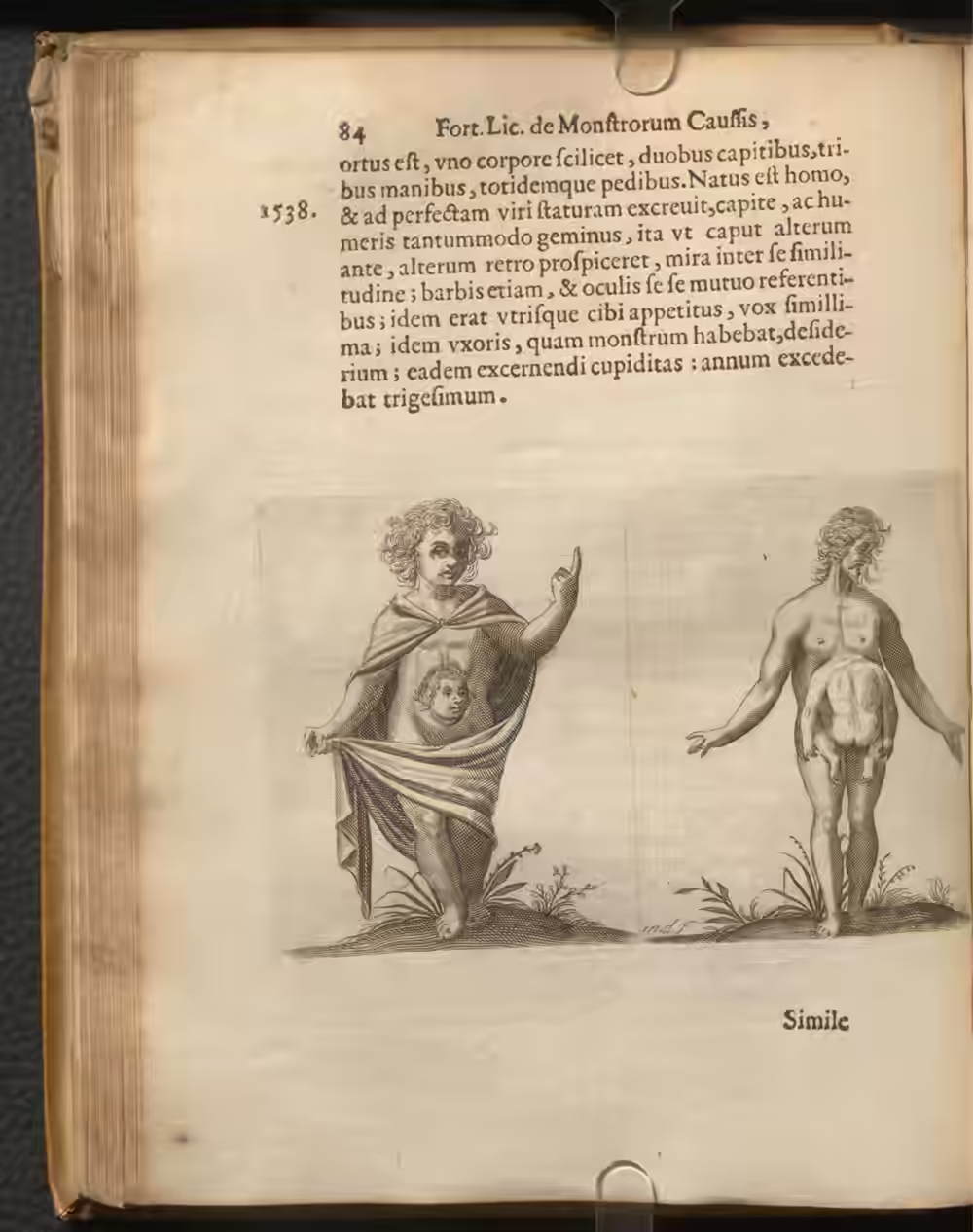
Two heads, three arms, three legs — drawn front and back, and analyzed joint by joint.
Read its page
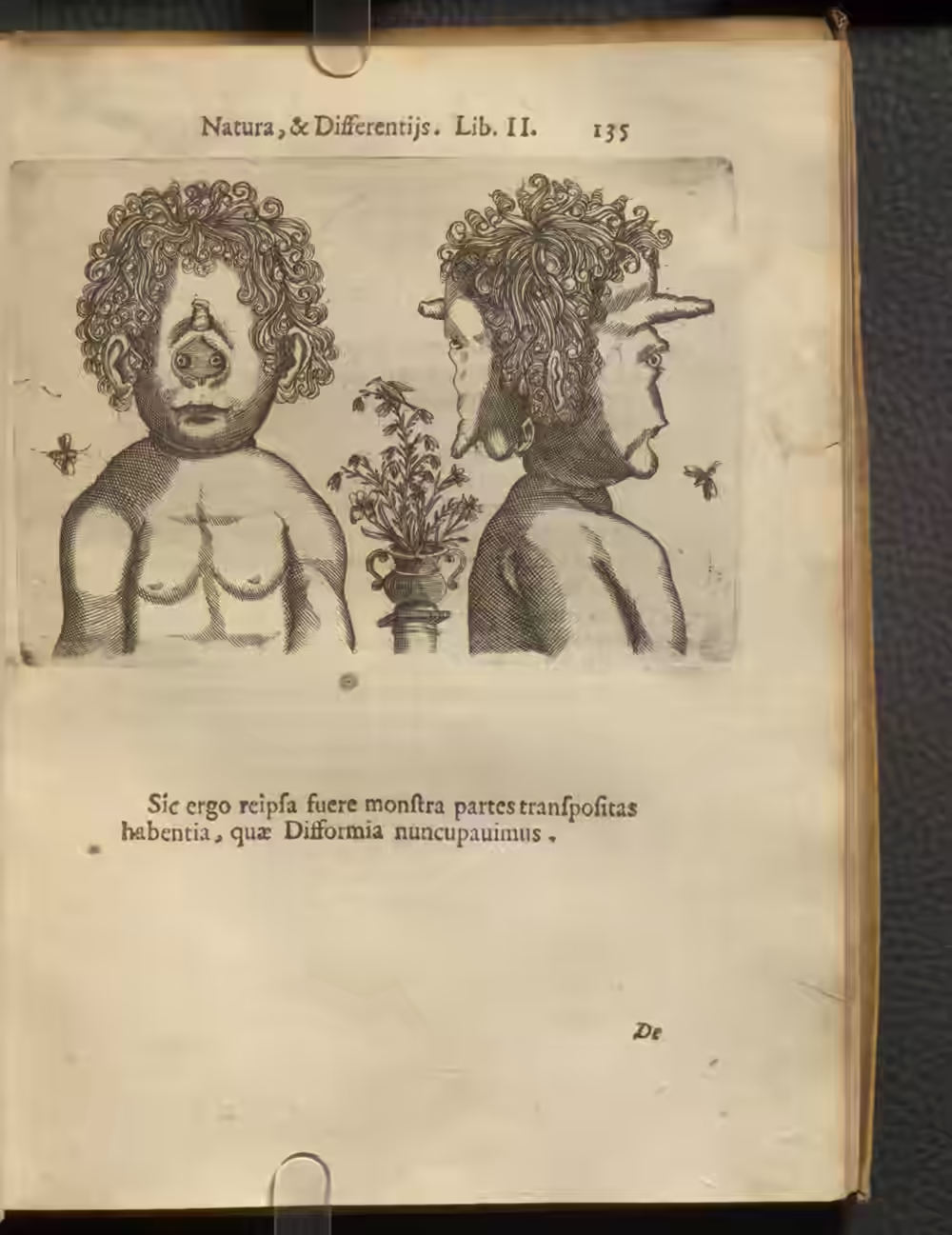
A single eye in the center of the forehead, examined and engraved from three sides.
Read its page
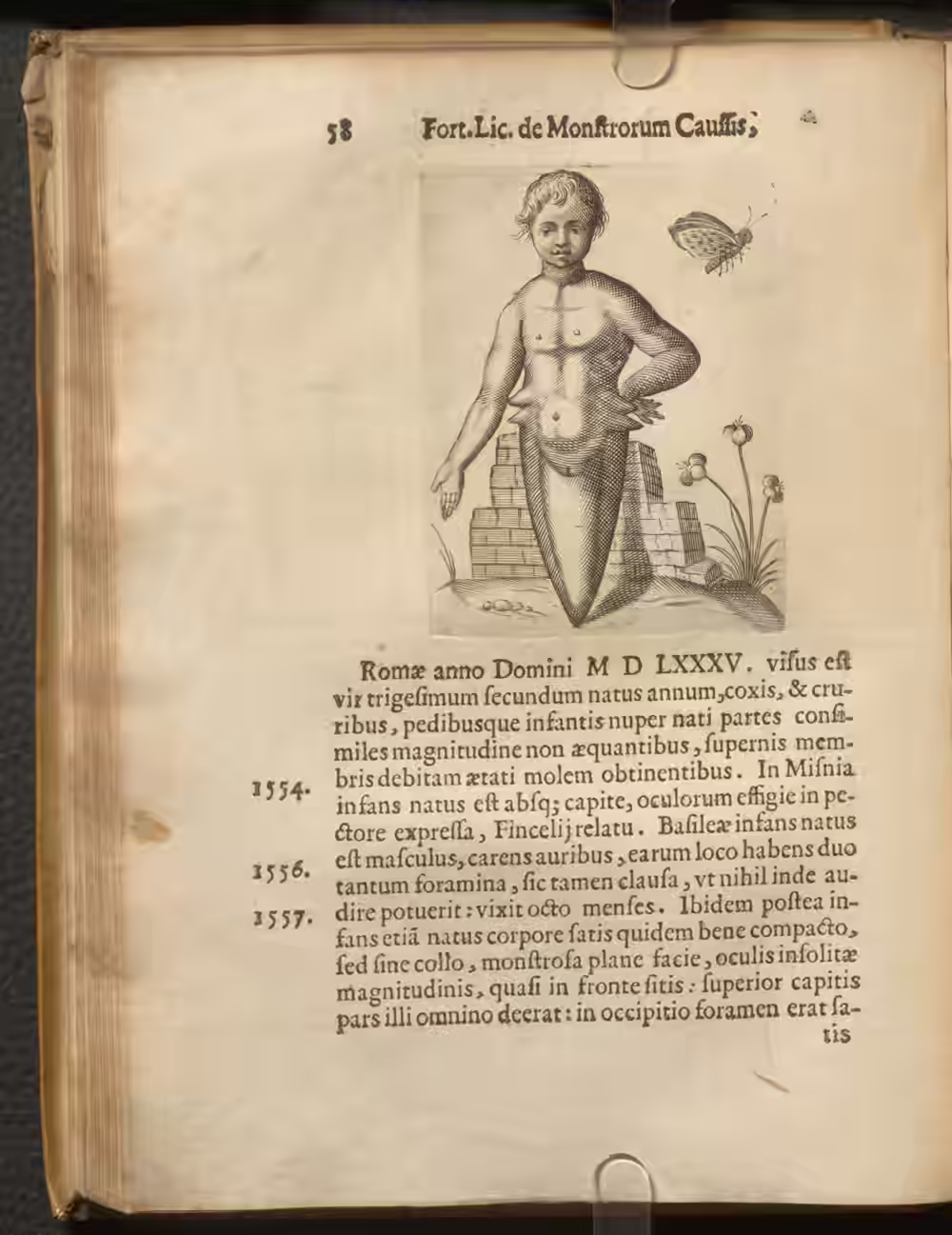
A human torso ending in a fish's tail — the triton of the old bestiaries, taken seriously.
Read its pageAll 320 leaves of the 1634 edition, photographed by McGill University Library and optimized for the web. Zoom into the woodcuts; check every word against the page it came from.
A faithful transcription of Liceti's Latin — long s, marginalia and all — with a parallel English translation in two registers: readable, and strictly faithful.
Translated from the scans by a frontier language model — openly, page by page, with the original always beside it. One file per page, so every page is easy to verify, correct, and improve.